
As the global fleet of wind turbines continues to age, the focus is shifting from installation to safe, efficient decommissioning. Whether replacing older turbines with higher-capacity models or removing assets that have reached the end of their service life, contractors face increasingly complex cutting challenges.
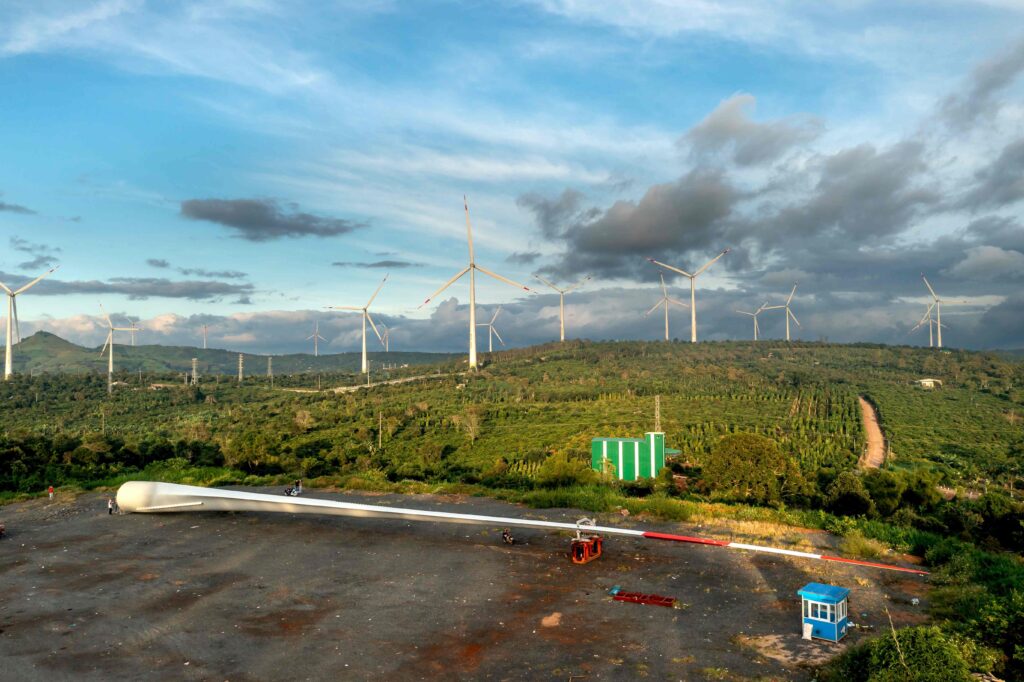
Choosing the right cutting technology can have a significant impact on project timelines, safety and overall costs. This is why solutions such as diamond wire and vacuum brazed blades are increasingly used across wind turbine decommissioning applications, allowing contractors to select the most effective cutting method for each stage of the project.
The Challenges of Wind Turbine Decommissioning
No two wind turbine decommissioning projects are the same. Turbines vary in size, design and construction, while site conditions can differ significantly between onshore and offshore locations.
Common cutting applications include:
• Wind turbine blade segmentation
• Reinforced concrete foundations
• Composite recycling operations
Many of these components are heavily reinforced, difficult to access or located in environmentally sensitive areas where minimizing vibration, dust and noise is essential.
These challenges place significant demands on both the cutting equipment and the consumables used throughout the project.
Why Choosing the Right Cutting Technology Matters
No single cutting technology is suitable for every stage of a wind turbine decommissioning project. Reinforced concrete foundations and abrasive composite blades each present different challenges, making consumable selection critical to project efficiency.
Diamond wire and vacuum brazed blades each offer distinct advantages depending on the material, cutting environment and project objectives. Selecting the right solution helps improve productivity, enhance safety and reduce overall project costs.
Diamond Wire for Large Structural Components
Diamond wire is widely used for cutting large reinforced concrete foundations and other substantial concrete components. It provides a controlled, low-vibration cutting solution capable of handling large cross sections with precision.
Its ability to make long, continuous cuts while minimizing vibration makes it particularly well suited to controlled dismantling projects.
Vacuum Brazed Blades for Composite Materials
Vacuum brazed blades are proving highly effective for cutting abrasive composite materials where cutting speed, durability and precision are essential.
Their ability to maintain consistent cutting performance makes them well suited to wind turbine blade segmentation, including use on excavators, composite recycling operations and other demanding renewable energy applications.
Improving Safety and Productivity
Selecting the correct cutting technology helps contractors work more safely and efficiently.
Diamond wire systems can often be operated remotely, reducing personnel exposure when dismantling large concrete components. Vacuum brazed blades provide fast, controlled cutting for composite materials and can be used on excavators, helping reduce cutting time while maintaining reliable performance.
Choosing the appropriate consumable for each stage of a project helps maximize productivity while minimizing downtime.
Selecting the Right Diamond Wire
Not all diamond wire is designed for the same application. Wire performance depends heavily on selecting the correct specification for the material being cut and the cutting conditions.
Factors that influence wire selection include:
• Material type
• Material hardness
• Cross-sectional cutting area
• Steel reinforcement content
• Aggregate composition
• Equipment power
• Cutting speed requirements
• Expected wire life
For example, cutting a heavily reinforced concrete foundation may require a different wire specification from cutting a less reinforced concrete section or another demanding material.
Choosing the wrong wire can reduce cutting speed, increase consumable wear and lead to unnecessary wire changes that impact project schedules.
Why Consumable Selection Matters
Cutting consumables play a major role in overall performance. Whether using diamond wire for large structural sections or vacuum brazed blades for abrasive composites, selecting the right consumable is critical.
For diamond wire, bead design, diamond concentration, bead spacing and manufacturing methods all influence cutting speed and wire life. For vacuum brazed blades, bond technology, diamond exposure and blade design determine cutting efficiency and durability.
Selecting a wire designed for the specific material and cutting conditions can help contractors:
• Reduce wire changes
• Maintain more consistent cutting speeds
• Improve productivity
• Lower consumable costs
• Reduce project downtime
Working With the Right Technical Partner
Every wind turbine decommissioning project presents different challenges. Material composition, section size, access restrictions and project objectives all influence the most suitable cutting technology and consumable specification.
Working with an experienced diamond wire and vacuum brazed blade supplier allows contractors to select the most appropriate consumable before work begins, helping maximize cutting efficiency while reducing unnecessary delays.
At Diaquip, we work closely with contractors around the world to recommend diamond wire and vacuum brazed blade solutions for demanding cutting applications across renewable energy, offshore decommissioning, construction and heavy industry.
————————————————————————————————————————————————————————————————————————————–
Frequently Asked Questions
What is diamond wire cutting?
Diamond wire cutting is a cutting method that uses a steel cable fitted with diamond-impregnated beads to cut through materials such as reinforced concrete and other difficult-to-cut mineral-based materials.
Why is diamond wire cutting used for wind turbine decommissioning?
Diamond wire cutting is widely used for reinforced concrete foundations and other large concrete components because it delivers controlled, low-vibration cutting. Vacuum brazed blades complement diamond wire by providing an effective solution for wind turbine blade segmentation and abrasive composite materials, including excavator-mounted applications.
Can diamond wire cut reinforced concrete foundations?
Yes. Diamond wire is one of the most effective solutions for cutting large reinforced concrete foundations.
Can vacuum brazed blades cut wind turbine blades?
Yes. Vacuum brazed blades are highly effective for abrasive composite materials, are well suited to wind turbine blade segmentation and can be used on excavators.
How do you choose the right cutting consumable?
The best solution depends on the material, section size, equipment, access and project requirements. Diamond wire is typically selected for large structural cutting, while vacuum brazed blades are well suited to abrasive composite applications such as wind turbine blade segmentation.
Does Diaquip supply solutions for wind turbine decommissioning?
Yes. Diaquip supplies diamond wire and specialist blade solutions for renewable energy, composite cutting and decommissioning applications.
Conclusion
Diamond wire cutting provides a safe, precise and highly effective method for dismantling reinforced concrete and other demanding mineral-based materials. Combined with specialist blade technologies for composite applications, including excavator-mounted vacuum brazed blades, the right cutting consumables help maximize performance, reduce downtime and keep wind turbine decommissioning projects on schedule.
If you’re planning an upcoming wind turbine decommissioning project, our technical team can help you select the right solution for your application.
